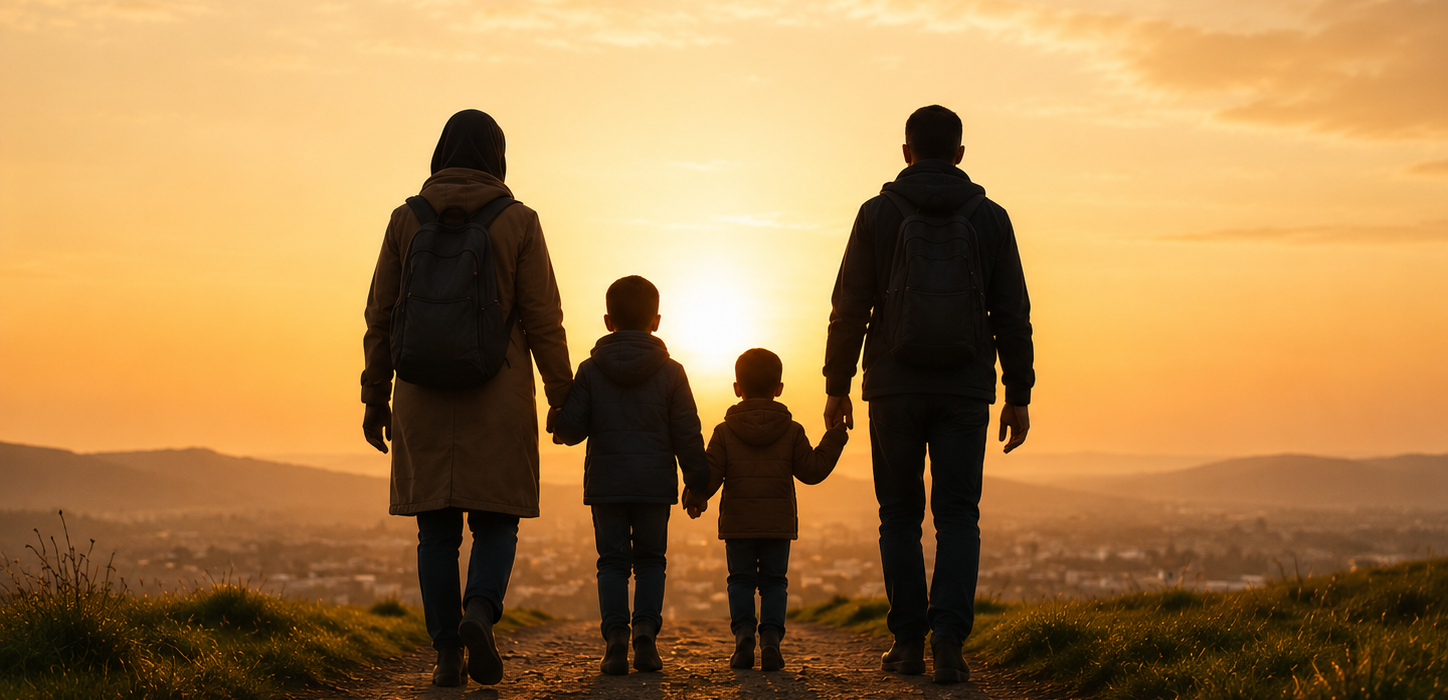
Understanding forced displacement
People do not usually leave their homes, families and communities unless they feel unsafe.
Most people seeking asylum are fleeing war, violence, persecution or serious threats to their safety and freedom.
According to UNHCR, around 122.1 million people worldwide were forcibly displaced by the end of April 2025 because of:
- war
- violence
- persecution
- and human rights abuses
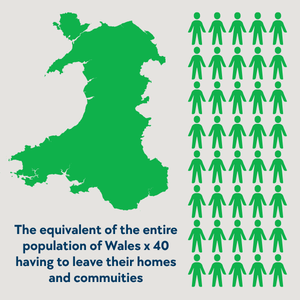
That is around 1 in every 67 people on Earth.
Many people displaced around the world never reach Europe or the UK.
Most remain:
- internally displaced
- or in neighbouring countries close to conflict zones
Understanding why people flee helps create calmer and more informed conversations about asylum.
The world’s largest displacement crises
Sudan
 Around 14.3 million people displaced
Sudan is now the world’s largest displacement crisis.
Since conflict began in 2023 between rival armed groups:
- millions of people have fled their homes
- communities have faced violence and food shortages
- and families have crossed borders searching for safety
Many children and families have been displaced more than once while trying to escape violence.
Syria
 Around 13.5 million people displaced
More than a decade of conflict has forced millions of Syrians from their homes.
People have fled because of:
- war and insecurity
- destruction of homes and cities
- political persecution
- and fears for personal safety
Many Syrian families remain displaced inside Syria or in neighbouring countries including Türkiye, Lebanon and Jordan.
Afghanistan
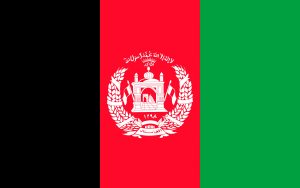 Around 10.3 million people displaced
Conflict and instability have displaced millions of Afghans over many years.
Many people have fled because of:
- conflict and insecurity
- political persecution
- restrictions on women and girls
- and concerns about safety and human rights
Neighbouring countries including Iran and Pakistan host large Afghan refugee populations.
Ukraine
 Around 8.8 million people displaced
Russia’s invasion of Ukraine forced millions of people to flee their homes.
Families were displaced because of:
- active conflict
- attacks on towns and cities
- damage to homes and infrastructure
- and concerns for civilian safety
Many people moved to neighbouring European countries while others remain displaced within Ukraine itself.
Democratic Republic of Congo
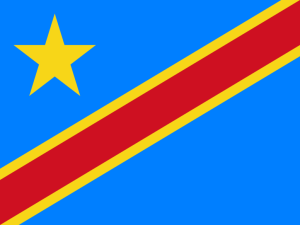 More than 8 million people displaced
The Democratic Republic of Congo has faced decades of armed conflict and instability.
Many people have fled because of:
- armed violence
- attacks on civilians
- displacement by armed groups
- and worsening food insecurity
Large numbers of people remain displaced within the country, especially in eastern regions affected by ongoing violence.
Most people stay close to home
Many people are surprised to learn that most refugees stay close to the country they fled.
According to UNHCR:
- Nearly 60% of forcibly displaced people remain within their own country as internally displaced people.
- Around 67% of refugees are hosted by neighbouring countries.
- Low- and middle-income countries host around 73% of the world’s refugees.
Countries such as Türkiye, Iran, Chad and Lebanon host very large refugee populations.
Why understanding matters
Most people agree that:
- no one wants families living through war or violence
- communities work best when conversations are calm and informed
- and systems should be fair and well managed
Good information helps people understand the difference between headlines and reality.
Behind every statistic is a person, family or child trying to find safety and stability.
Understanding the reasons people flee does not mean ignoring challenges or difficult questions.
It means starting conversations from facts, context and shared humanity.
Sources and further reading
Latest figures updated using 2025 UNHCR reporting and global displacement data.