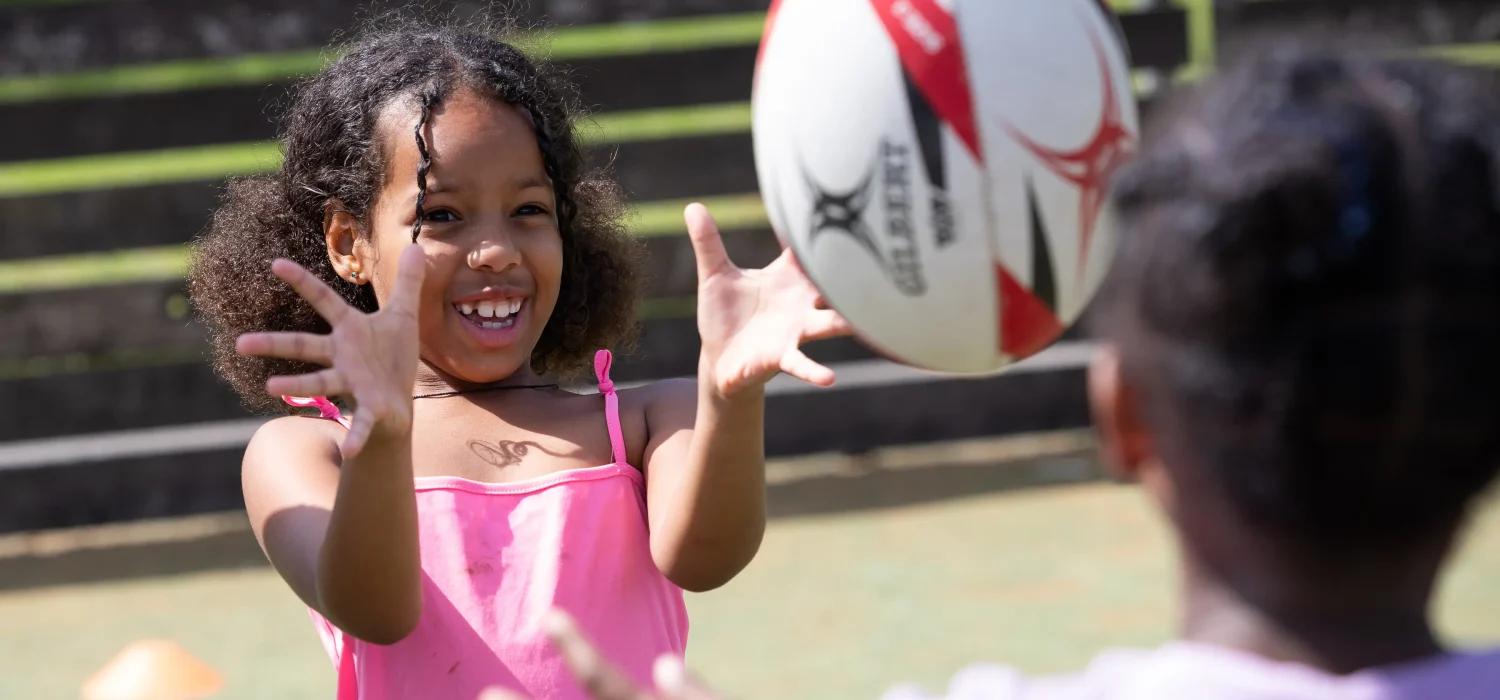
Building pathways out of poverty
Every child should have the opportunity to learn, stay healthy and participate fully in community life. Yet some children face additional barriers that make these opportunities harder to access. Our report explores the experiences of sanctuary-seeking families living in poverty in Cardiff and Swansea. Led by Welsh Refugee Council and delivered with Swansea Asylum Seeker Support, Mums and Toddler Foundation, Displaced People in Action, and Glitter Cymru, the research was shaped by lived experience throughout.
What does it take for a child to feel safe?
Families described the daily pressures of managing on extremely low incomes while navigating housing instability, transport costs and complex systems. Many struggled to afford the essentials that support children’s participation in everyday life, including school activities, internet access, and travel. Mothers also described barriers to learning English, including:
- Limited access to ESOL provision
- Lack of childcare for parents of preschool-aged children
- Digital poverty making online learning inaccessible for many
- Enhanced challenges for families caring for disabled children or managing long-term health conditions
Making a difference
Alongside these pressures, families highlighted the importance of trusted relationships, community support and small practical interventions that helped create stability and opportunity.
We call for child poverty responses that better reach children facing the greatest barriers, with practical action to improve access to housing, education, transport, digital connectivity and support services. Every child in Wales should have the opportunity to thrive, participate and build a positive future.
Read our recommendations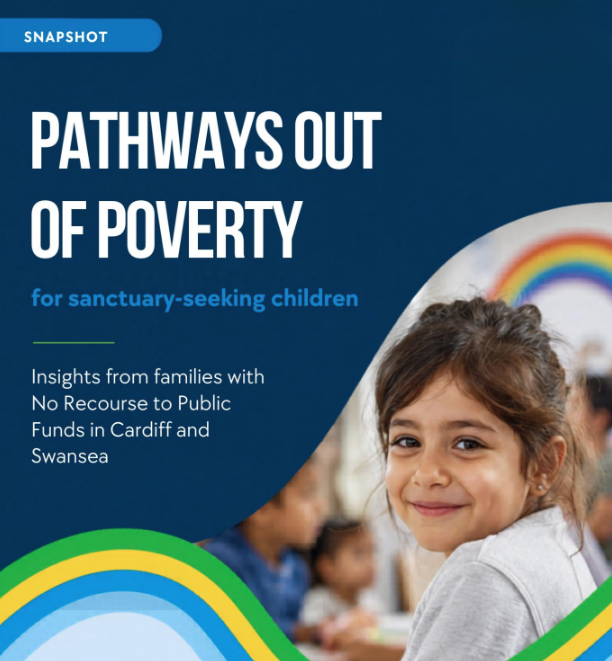
How practical interventions can prevent deeper crisis
Tumelo's story
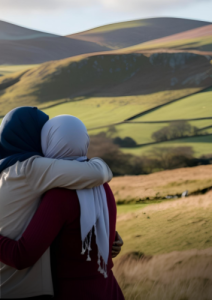
When Tumelo* arrived in Abertillery with her two children, she thought the hardest part was over. Instead, she found herself in a rural town she had never been to before, arriving late on a Friday afternoon without access to her ASPEN card or any money to buy food. With children aged four and eleven depending on her, the weekend ahead felt overwhelming.
 An emergency supermarket voucher was arranged, but the nearest shop was more than a 45-minute walk away. Without cash or access to public transport, even collecting food became another obstacle.
For Tumelo, the hardest part was trying to protect her children from the reality of what the family was facing:
“The most important thing to me is that my children are comfortable and that they think everything is fine. I don’t want them to know we are facing hardships.”
Fortunately, Tumelo was not starting from scratch.
During her time in initial accommodation, she had built a trusted relationship with a play project worker. Because that relationship was already there, support could be put in place quickly. Over the weekend, emergency financial assistance was arranged, helping the family access food and other essentials while longer-term support was organised.
The practical help mattered. So did having someone who already understood the family’s circumstances and could help them navigate the next steps.
Parents seeking sanctuary are often doing everything they can to create stability while managing uncertainty themselves. When support is built on trust and responds to the realities families face, it reduces pressure, strengthens confidence and helps parents focus on what matters most: caring for their children.
Aya and Hassan's story
The first weeks after welcoming a new baby should be a time for families to settle into life together. For Aya and Hassan*, it became something very different.
 Shortly after giving birth, Aya returned home while their newborn son remained in hospital on oxygen. Doctors expected he would stay there for several weeks. At the same time, the couple were caring for their young daughter and trying to navigate an unfamiliar system with very limited financial resources.
Every day, Hassan travelled long distances between home and hospital so he could support his wife and newborn son while continuing to care for their daughter.
The journeys quickly became expensive. So did the additional costs of food, hospital accommodation and the essentials every new parent needs. At a time when all their attention should have been on their baby’s recovery, the family found themselves worrying about how they would afford to get through each day.
“It hurts sometimes when you can’t provide for them. Sometimes I suffer so he can enjoy life. I let my children eat first and then, if there are leftovers, I will eat.”
Through trusted support workers, the family was connected to emergency financial assistance and community support. The help could not remove the uncertainty surrounding their baby’s health, but it eased some of the practical pressures, allowing the family to focus on being together during an incredibly difficult time.
Unexpected events can quickly place enormous pressure on families with young children. For parents seeking sanctuary, those challenges are often compounded by poverty, isolation and unfamiliar systems. Practical, flexible support gives families breathing space during moments of crisis and helps parents continue providing the care and stability their children need.
Ria's story
Every parent wants their child to feel safe. For Ria, creating that sense of security means living with uncertainty almost every day.
 As a single mother raising her three-year-old daughter Maya while seeking asylum, she is never quite sure what comes next. Immigration decisions are delayed. Appeals take months. At any point, she could be told she has to move to new accommodation and start again somewhere unfamiliar.
She describes the feeling of receiving another setback as being “like being dropped from a height”, before having to find the strength to rebuild all over again.
Despite that uncertainty, Ria works hard to create as much stability as possible for Maya.
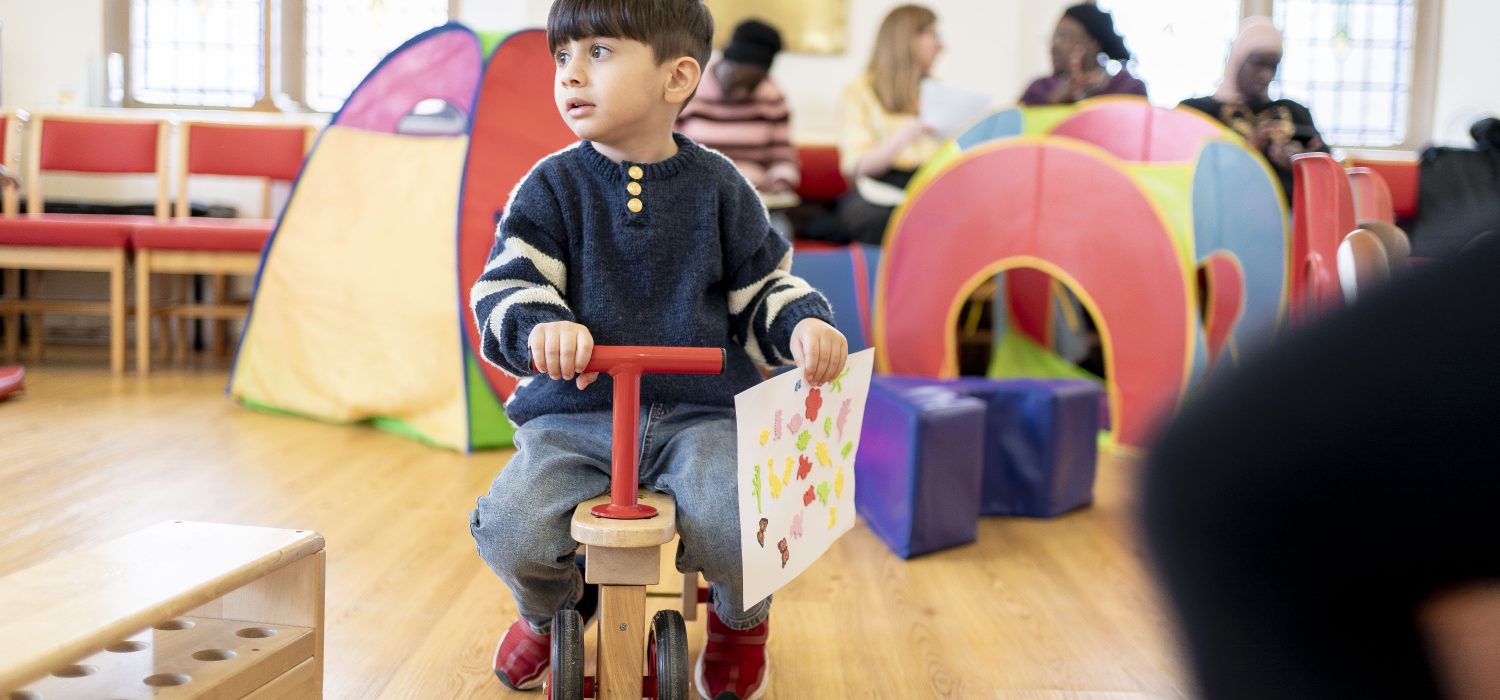
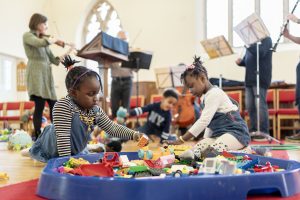
Through the Play Project, the family found something they could rely on. Regular play sessions and family outings became a consistent part of their week, giving Maya opportunities to play, make friends and develop her confidence in a safe and welcoming environment. As she prepares to start school, she has grown in confidence, developed her English language skills and become increasingly comfortable building relationships with other children and adults.
For Ria, the greatest difference was having somewhere she could finally relax.
“I feel relaxed when I come here because it feels calm and safe. I know I can relax while my child plays and makes friends. I’ve been to other groups, and none feel like this. We know we can come here and feel comfortable discussing our problems and asking for help.”
For families living with uncertainty, consistency can be transformative. Having somewhere they feel welcomed, supported and understood helps reduce isolation and gives parents the confidence to keep moving forward. For children like Maya, it provides the opportunity to play, learn and thrive, regardless of the challenges happening around them.
*Names changed to protect anonymity.